Cessna Nose Gear Strut Assembly: Front Landing Gear Maintenance Solution
Cessna Nose Gear Strut Assembly: Front Landing Gear Maintenance Solution
Blog Article
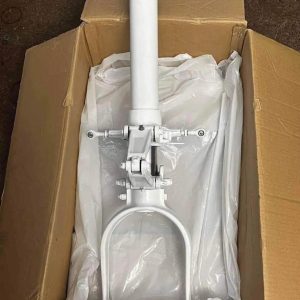
The Cessna Nose Gear Strut Assembly may serve as a replacement, overhaul, restoration, maintenance, or spare-inventory component when its exact part number, configuration, condition, and applicability are confirmed.
Accurate use of these keywords improves search relevance without implying universal compatibility across the Cessna product line.
Clear descriptions help buyers determine whether the listing includes a complete assembly, partial strut, housing, piston, fork, or related hardware.
These related terms help connect the product with aircraft owners, maintenance facilities, restorers, and general aviation parts buyers.
General Aviation Landing Gear Parts listings should provide exact identification, condition, measurements, records, and included components for professional evaluation.
Key Details of an Aircraft Nose Strut
A unit should not be accepted as compatible solely because it came from an aircraft within the same general Cessna family.
Included items may vary and can involve the strut body, piston, fork, axle, torque links, steering collar, seals, bearings, spacers, hardware, wheel, or tire.
Structural Support and Aircraft Load Management
The strut must manage those loads without excessive looseness, binding, deformation, leakage, or structural distress.
Repeated hard landings, runway excursions, towing incidents, shimmy, improper servicing, corrosion, and maintenance errors can affect both the strut and nearby structure.
Maintaining Controlled Compression
A shock strut is designed to compress and extend in a controlled manner as the aircraft encounters landing and ground loads.
Incorrect pressure or fluid quantity can influence ground clearance, steering, ride quality, and structural loading.
Nose Wheel Steering and Directional Control
Correct geometry supports more consistent taxi and landing-roll control.
Excessive turning can damage linkage, hoses, fairings, fork components, or internal strut features depending on the design.
Avoiding Universal Cessna Fitment Claims
The phrase Cessna Nose Gear Strut Assembly should not be interpreted as compatibility with every Cessna aircraft.
Supplemental modifications, replacement forks, wheel conversions, tire changes, steering alterations, and airframe repairs can affect compatibility.
Cylinder, Piston, and Sliding-Surface Inspection
Sliding and sealing surfaces must remain within acceptable condition because defects can damage seals and contribute to leakage or sticking.
The cylinder bore, piston diameter, and relevant clearances may require professional measurement.
Preventing Contamination and Seal Damage
Repeated wiping without correcting the source does not constitute proper repair.
Seal grooves, backup rings, scrapers, and retaining components should be checked when the assembly is opened.
Identifying Surface and Hidden Corrosion
Surface discoloration should be evaluated rather than dismissed automatically as cosmetic.
The component should be stored in a dry, controlled environment before installation.
Determining the Need for Nondestructive Testing
The assembly should be inspected for cracks, bending, twisting, damaged welds, distorted mounting features, and impact marks.
Transparent impact history supports informed Cessna Front Landing Gear Assembly purchasing.
Understanding Included Landing Gear Components
Clear package information helps buyers estimate the complete repair cost.
Incorrect wheel spacing or fork alignment can create uneven loading and interference.
Maintaining Strut Alignment
Torque links and related pivot components help maintain alignment between moving portions of many nose gear strut designs.
Pivot points should move freely without binding while remaining within acceptable play limits.
Diagnosing Cessna Nose Gear Handling Concerns
The technician should inspect the complete nose gear and steering system before selecting corrective action.
Tire condition should be reviewed together with the strut, wheel, fork, axle, and steering components.
Checking Extension After Servicing
Incorrect fluid, contamination, trapped air, overpressure, or underpressure can affect extension, damping, leakage, ground clearance, and structural loading.
Repeated pressure loss should prompt leak investigation rather than continual inflation.
Rebuilding a Cessna Nose Gear Strut
A seal replacement or exterior repaint does not necessarily constitute a complete overhaul.
Complete records strengthen the commercial value of the Cessna Replacement Nose Gear.
Cessna Front Gear Condition Review
The buyer should obtain enough information for a qualified aviation maintenance professional to evaluate the assembly.
- Confirm the complete Cessna part number, dash number, serial or casting markings, aircraft model, serial-range applicability, strut type, dimensions, and configuration.
- Do not treat clean paint, smooth movement, or a removed-serviceable statement as proof of current installation eligibility.
- Report shipping damage, missing components, identification differences, undisclosed repairs, corrosion, leakage, or dimensional concerns promptly.
Safe Freight Handling Procedures
Open ports and servicing fittings should be covered using suitable protective methods.
The receiver should inspect the crate for impact, puncture, water exposure, or shifting before opening.
Protecting the Cessna Nose Strut
The piston surface should remain covered without using materials that promote corrosion or seal deterioration.
Identification records, inspection tags, hardware, seals, and supporting documents should remain associated with the correct assembly.
Professional Installation of the Nose Gear Strut
The technician Cessna Front Landing Gear Assembly should verify the part number, aircraft applicability, mounting points, dimensions, hardware, steering links, torque components, wheel fork, axle, and servicing requirements.
Hoses, wiring, fairings, controls, and nearby components should maintain suitable clearance through the steering and compression ranges.
After installation, technicians should verify strut extension, servicing, leakage, steering response, wheel alignment, hardware security, tire clearance, and freedom of movement.
Routine Inspection and Preventive Maintenance
Consistent care supports dependable Cessna Nose Landing Gear Strut operation.
The nose gear should receive additional inspection after a hard landing, runway excursion, towing incident, tire failure, severe shimmy, obstacle strike, or abnormal ground handling event.
Evaluating Used Aircraft Gear Pricing
A recent professional inspection or overhaul can add value when the scope, findings, measurements, and replaced parts are documented accurately.
Buyers should compare complete and documented packages rather than price alone.
Choosing the Cessna Nose Gear Strut Assembly
The Cessna Nose Gear Strut Assembly offers stronger commercial value when its part number, removal history, inspection status, overhaul records, included hardware, and documentation are described accurately.
The unit should not be judged solely through clean paint, smooth compression, removed-serviceable wording, or purchase price.
Whether the requirement is a Cessna Nose Landing Gear Strut, Cessna Nose Gear Assembly, Cessna Landing Gear Strut, or Cessna Nose Strut, exact identification should guide the purchase.
With prompt attention to leakage, scoring, corrosion, shimmy, tire wear, loose bushings, steering play, impact events, and abnormal compression, the installation can preserve its operating potential.
Report this page